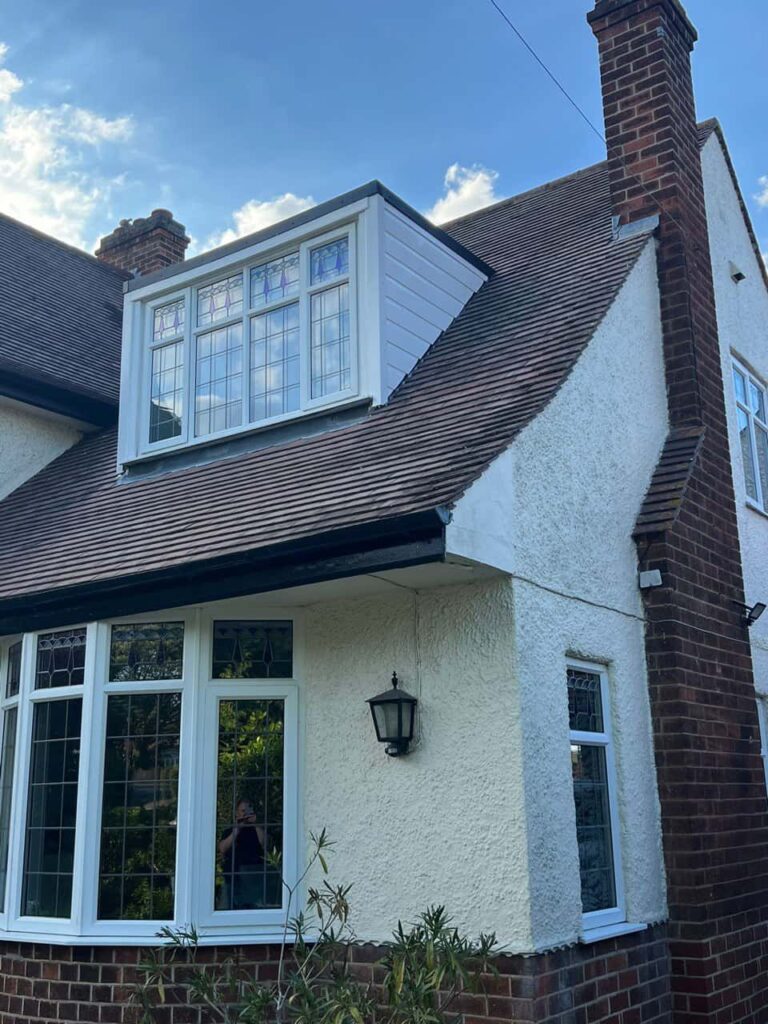
Water entering through a roof can cause more than a damp patch on a ceiling. If left unresolved, moisture may damage roof timbers, insulation, plasterwork and internal finishes. However, identifying the exact source of water ingress is not always straightforward. The point where a leak becomes visible inside a property may be some distance from the area where rainwater is actually entering.
For homeowners in Blandford Forum, Dorset, understanding how roof leaks develop and what signs to look for can help ensure the correct repairs are carried out. A careful inspection is essential because treating the visible damage without finding the underlying cause may allow the problem to return.
1. Look for Early Signs of Water Ingress Indoors
The first indication of a roof leak is often visible inside the property. Common warning signs include:
- Brown or yellow staining on ceilings and upper walls.
- Peeling paint, bubbling wallpaper or damaged plaster.
- Damp patches around chimney breasts and ceiling edges.
- Musty smells in loft spaces or upstairs rooms.
- Dripping water during or shortly after rainfall.
Pay attention to when the symptoms appear. A leak that becomes noticeable during heavy rain may indicate an issue with roof coverings, flashing or drainage. However, moisture can remain trapped in building materials, meaning staining may become visible after the rainfall has stopped.
It is useful to note which rooms are affected and whether the damp areas are spreading. This information can help a roofing professional narrow down the possible source.
2. Check the Loft for Signs of Moisture
If the property has an accessible loft, it can provide useful clues about where water is entering. Look for damp or discoloured roof timbers, wet insulation, water marks on the underside of the roof covering and signs of mould.
The direction in which water has travelled can also be revealing. Rainwater may run down rafters or along other structural elements before reaching the ceiling, so the dampest internal area does not necessarily sit directly beneath the roof defect.
Only inspect areas that can be accessed safely. Avoid stepping onto unsupported ceiling joists or touching electrical fittings and wet insulation. If there is significant water ingress, a professional inspection is the safer option.
3. Inspect Roof Tiles and Slates
Broken, slipped, cracked or missing tiles and slates can leave gaps through which rainwater may penetrate. Damage may occur because of ageing materials, strong winds, falling debris or deteriorating fixings.
Even a relatively small defect can allow water to reach the roof structure, particularly during prolonged or wind-driven rainfall.
A visual inspection from ground level may reveal missing or displaced coverings, but some defects are difficult to identify without accessing the roof safely. A roofing specialist can examine the affected sections and determine whether individual tiles need replacing or whether wider repairs are necessary.
4. Examine Flashing Around Chimneys and Roof Junctions
Roof flashing protects vulnerable joints where different parts of the roof meet. It is commonly found around chimneys, roof valleys, dormers and abutments where a roof meets a wall.
If flashing becomes loose, cracked or deteriorated, water can enter through the gaps. Mortar joints around chimney flashing can also weaken over time, creating another potential route for moisture.
These areas deserve particular attention when investigating a leak near a chimney breast or the junction between a roof and an adjoining wall. Repairs must address the joint itself rather than simply covering nearby surface damage.
5. Consider Flat Roofs and Roof Drainage
Flat roofs can develop leaks when their waterproof coverings become cracked, blistered, split or detached. Water may also enter around seams, upstands and outlets where the covering has deteriorated.
Blocked gutters and downpipes are another possible source of water-related problems. When rainwater cannot drain away effectively, it may overflow against external walls or collect near roof edges and vulnerable joints.
Check for overflowing gutters, visible blockages and signs of water staining around the roofline. Clearing drainage routes and repairing damaged components can help prevent recurring moisture problems.
6. Distinguish Roof Leaks from Condensation
Not every damp patch in a loft or upstairs room is caused by a roof leak. Condensation can create similar symptoms, particularly where ventilation is poor or warm, moist air becomes trapped in the roof space.
Condensation may appear as moisture on the underside of roof coverings, damp insulation or mould growth across several areas. A roof leak is more likely to produce localised water staining or dampness that becomes worse following rainfall, although these patterns are not conclusive.
Identifying the difference matters because the solutions are different. Roof repairs may be needed to resolve water ingress, whereas condensation problems often require improvements to ventilation and moisture control.
7. Why a Professional Roof Inspection Matters
Finding the source of water ingress requires more than locating the visible damp patch. A thorough inspection considers the roof covering, flashing, valleys, drainage components, roof structure and any nearby junctions where water could enter.
A professional roofer can trace the likely route of moisture, identify damaged materials and recommend repairs that address the cause. This helps avoid unnecessary work and reduces the risk of the same leak returning.
For properties in Blandford Forum, Dorset, arranging an inspection when the first signs of water ingress appear can help limit further damage to the roof and interior.
Conclusion
Roof water ingress can originate from several areas, including damaged tiles, defective flashing, deteriorating flat roof coverings and blocked drainage systems. Because water can travel along roof structures before becoming visible indoors, identifying the true source is essential before repairs begin.
If you have noticed damp patches, ceiling stains or signs of moisture in your loft, MCM Roofing Repairs Blandford Forum can help investigate the problem and recommend suitable repairs. Get in touch to discuss your roofing requirements in Blandford Forum, Dorset.
Call us on: 01258 442 298
Click here to find out more about MCM Roofing Repairs Blandford Forum
Click here to complete our contact form and see how we can help with your roofing needs.